2021–2023
Military Service
In April 2021, Victor Kiani told the student government at Queensborough, and the faculty, that he was enlisting in the Marine Corps.
The decision
It was a hard call. He valued the constituents and the work of helping them. He had come to believe time in the Corps would make him a stronger leader, the kind with more to offer the people he would want to serve later on. He had been telling himself for years that he would go eventually. So he went.
If I kept waiting for graduation or for some better moment, eventually would turn into never.
The billet
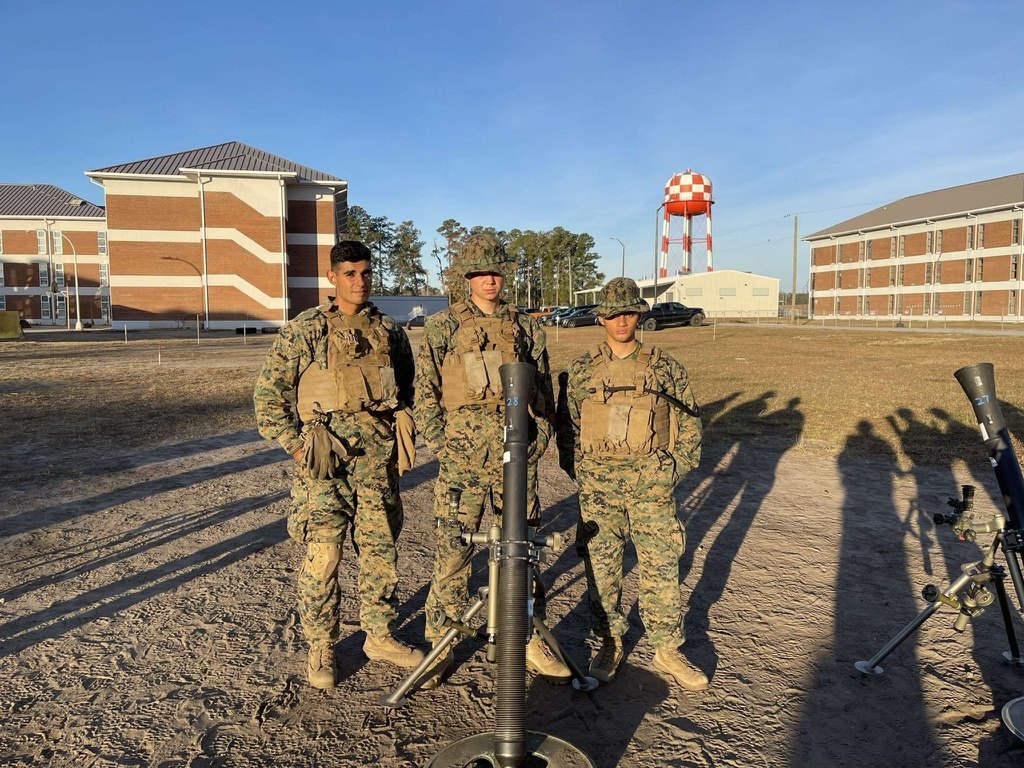
He led Marines as a Corporal. His military occupational specialty was Mortarman (0341), and his billet was Forward Observer with Weapons Company, 2d Battalion, 25th Marines: the Marine on the ground who locates targets and calls for fire from supporting arms. He completed the Basic Forward Observer course through the Marine Corps Institute, and Joint Fires and Joint Targeting through Joint Knowledge Online. He certified as an Antiterrorism Officer and qualified as an Information Management Officer.
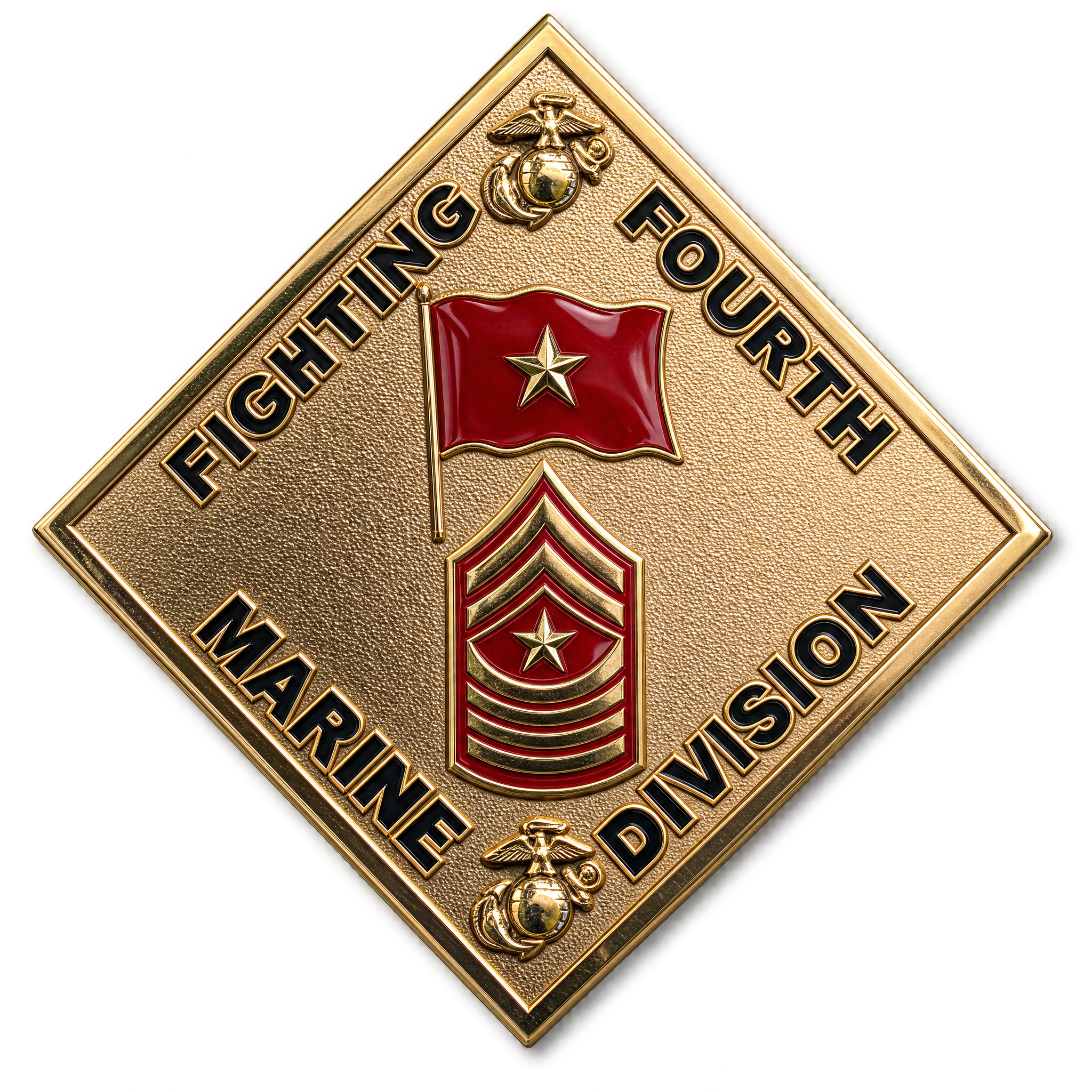
The battalion is in the 4th Marine Division, and he received two of the division’s challenge coins.

The work no one assigned
In 2022 he rebuilt fire-support doctrine, scattered across hundreds of pages, into a reference a Marine would actually sit down with. No one asked him to. A Marine will read 20 pages. They won’t read 400.
From topic chapters to a usable reference
Organized by subject
The source material separates systems, roles, and procedures into topic-based chapters. The reader has to connect them.
Organized for the reader
A 20-page reference brings the relevant material together in the order a reader needs it, with a structure peers can teach from.
Condense
Keep the material a peer will return to.
Sequence
Use the reader’s decisions as the outline.
Teach
Make the reference useful after the course ends.
A Marine will read 20 pages. They won’t read 400.
Restructure around the decision, not the subject
Most doctrine is organized by topic: one chapter per asset, one per procedure. He reorganized it around the decision a Marine has to make, in sequence:
- 01Which asset fits this target? Compare trajectory, rate of fire, range, and effect across the four main indirect-fire systems.
- 02Who do you call to get it? Understand the fire-support team (Forward Observer, Fire Direction Center, Fire Support Coordinator) and the order they sequence in.
- 03How do you describe the target? Choose a direction method based on your position and mobility.
- 04What effect do you want? Pick between destruction, neutralization, and suppression.
Four systems, one decision
Mortars
Light artillery
- Trajectory
- High
- Rate
- Up to 20 rpm
- Range
- Short: near the forward line
- Best for
- Entrenched / reverse-slope targets
Howitzers
M777 · 155mm
- Trajectory
- Medium (high or flat)
- Rate
- 2–3 rpm · massed fires
- Range
- Medium
- Best for
- Armor, hardened structures, GPS-precision
Naval gunfire
5-inch / 54 cal
- Trajectory
- Flat, high velocity
- Rate
- Up to 20 rpm · 600 rds/gun
- Range
- Long · ship-dependent
- Best for
- Vertical-face material targets
HIMARS
M142 rocket system
- Trajectory
- Medium to low
- Rate
- 1–6 rockets / pod
- Range
- 2–300 km by munition
- Best for
- Precision · troop concentrations · bunkers
Three ways to define success
- Destruction: target destroyed, or 30%+ casualties
- High cost · rarely fired
- Neutralization: effectiveness disrupted, ~10%+ casualties
- Low cost · most common
- Suppression: element temporarily stops functioning
- Low cost · no lasting effect
After
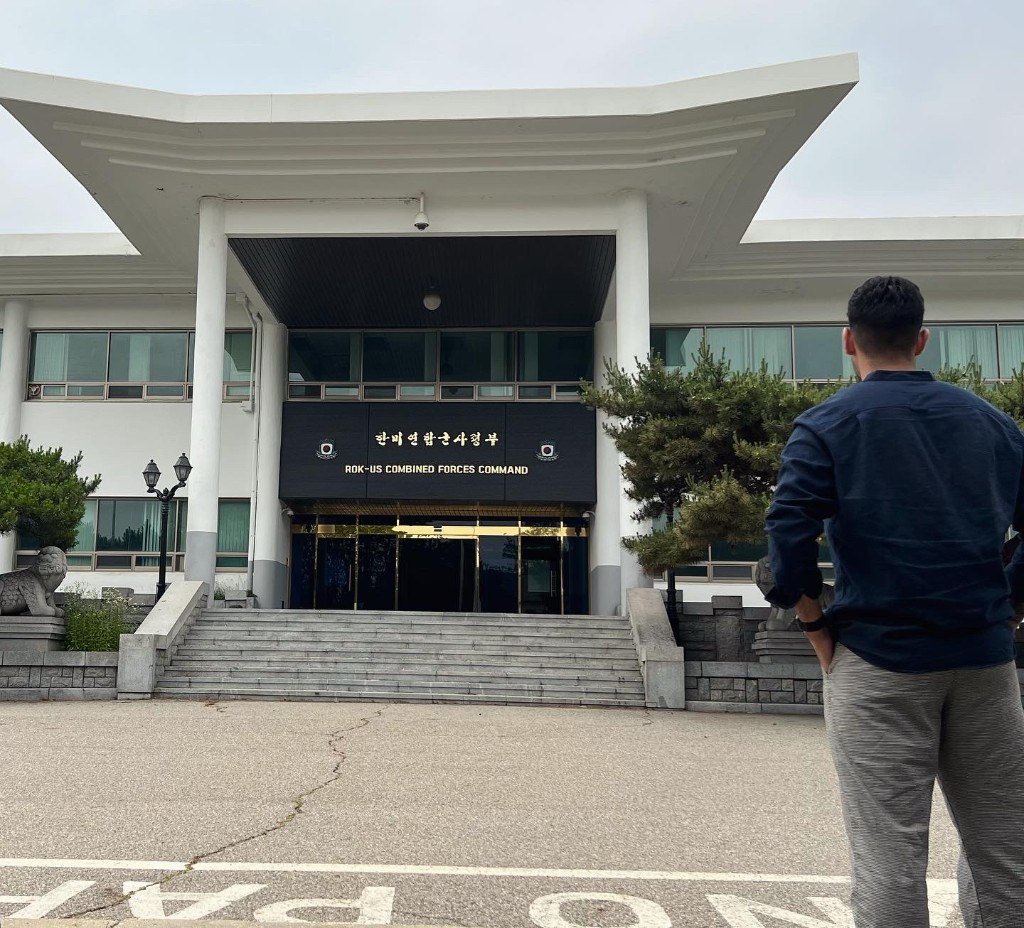
He took his first trips to Korea and Japan during his Marine Corps years, and both stayed with him. Before long he moved back to Korea. His honorable discharge came through while he was there, and he chose to stay. All told, almost two years in Korea and close to a year in Japan.